
EXPM 6 Light Anoxia Disinfestation Chamber
In short: A nitrogen anoxia chamber that eradicates insect infestation in collections by displacing oxygen, killing every life stage through asphyxia and dehydration. No fumigants, no residues, and nothing that reacts with paper, parchment, textiles or adhesives.
Anoxic treatment is the approach conservation practice favours for collections, because the alternative — chemical fumigation — leaves residues on the object and health risks for staff. Micrographics Data supplies the chambers and also runs treatment as a service for institutions that would rather not own one.
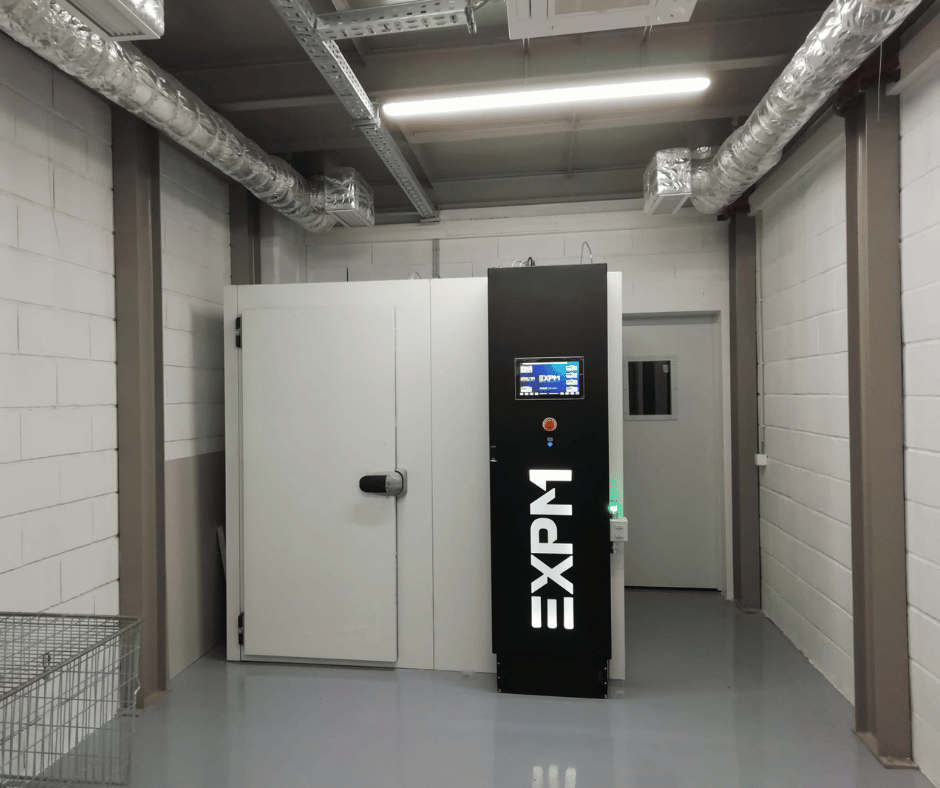
Remove the oxygen, not the object
The chamber is sealed and nitrogen is introduced, displacing oxygen until the atmosphere will no longer support insect life. Insects die by asphyxia and dehydration rather than by poison, which is why the method reaches eggs, larvae, pupae and adults alike — chemical treatments frequently miss eggs, and an infestation returns weeks later.
Because nitrogen is inert, nothing in the chamber reacts with the collection. Paper, parchment, leather, textiles, adhesives and mixed-media objects come out chemically unchanged, and there is no residue to off-gas afterwards or to declare when the material goes back on the shelf.
Assess
Identify the pest and the extent; isolate affected material from the collection.
Seal
Material loaded and the chamber sealed.
Purge
Nitrogen brings oxygen below 0.3–1%, and oxygen, humidity and temperature are held under automatic control.
Return
Material removed, inspected, and returned without residue or quarantine.
EXPM 6 Light at a glance
Figures from the manufacturer's published specification. Confirm current options and configuration with our quotation.
Pest management and cleaning equipment
Infestation and dust are different problems. Treat the insects first — cleaning a live infestation just spreads it.
Technical specifications and video
EXPM video of the EXPM 6 Light. The EXPM 3 Light runs the same anoxia process.
Anoxia kills the insects; it does not remove frass, dust or staining — cleaning is separate work
Government buyers procure through GeBIZ, where Micrographics Data is a registered supplier.
What is anoxia disinfestation?
Treatment that kills insects by removing oxygen rather than by poisoning them. The chamber is filled with nitrogen until the atmosphere cannot support insect life, and the low-oxygen condition is held long enough to kill every life stage present.
How much does an anoxia chamber cost?
It is quoted per model and configuration — chamber size, nitrogen supply arrangement, installation and training all bear on it. We also run anoxia as a treatment service, which is usually the better answer for a one-off infestation. Request a quote for either.
Why anoxia rather than chemical fumigation?
Fumigants leave residues on the object and carry health and regulatory burdens for staff. Anoxia uses an inert gas, so nothing reacts with the collection and there is nothing to off-gas afterwards. It is the approach conservation practice favours for heritage material.
Does it kill eggs as well as adults?
Yes — that is its main advantage. Treatments that only kill adults leave eggs to hatch, and the infestation reappears. A sustained low-oxygen atmosphere reaches all life stages.
Is it safe for parchment, leather and textiles?
Yes. Nitrogen is inert, so there is no chemical interaction with organic materials, adhesives or pigments. That is precisely why it is used on mixed-media objects where a fumigant would be unacceptable.
Should we buy a chamber or use your treatment service?
Buy where you have recurring intake to quarantine — new acquisitions, returning loans, regular pest monitoring finds. Use the service for a one-off outbreak or where material can safely leave the building. Institutions with continuous intake often own a chamber and use the service for overflow.
What happens after treatment?
The material comes out without residue and can go straight back, but it should be inspected and cleaned — anoxia kills insects without removing frass, dust or the staining they leave. It is also worth finding the source: treatment without addressing the cause invites reinfestation.
Which model do we need?
The range covers the EXPM 3 Light, EXPM 6 Light and EXPM 6, plus the EXPM Portable Chamber. The EXPM 3 Light treats 50–60 linear metres of books or A5 documents per treatment (about 20–30 linear metres of A4); the EXPM 6 Light controls oxygen, humidity and temperature, with remote support by modem. Send your batch volumes and we will advise.
What is infested, and how much of it?
Tell us the material, the pest if known and the volume; we advise chamber size or quote treatment as a service.